
The same diagnosis of spinal stenosis
does not mean the same treatment.
We design the direction of treatment only after assessing the patient's current condition: the location and severity of pain, nerve compression, walking difficulty, and imaging results.
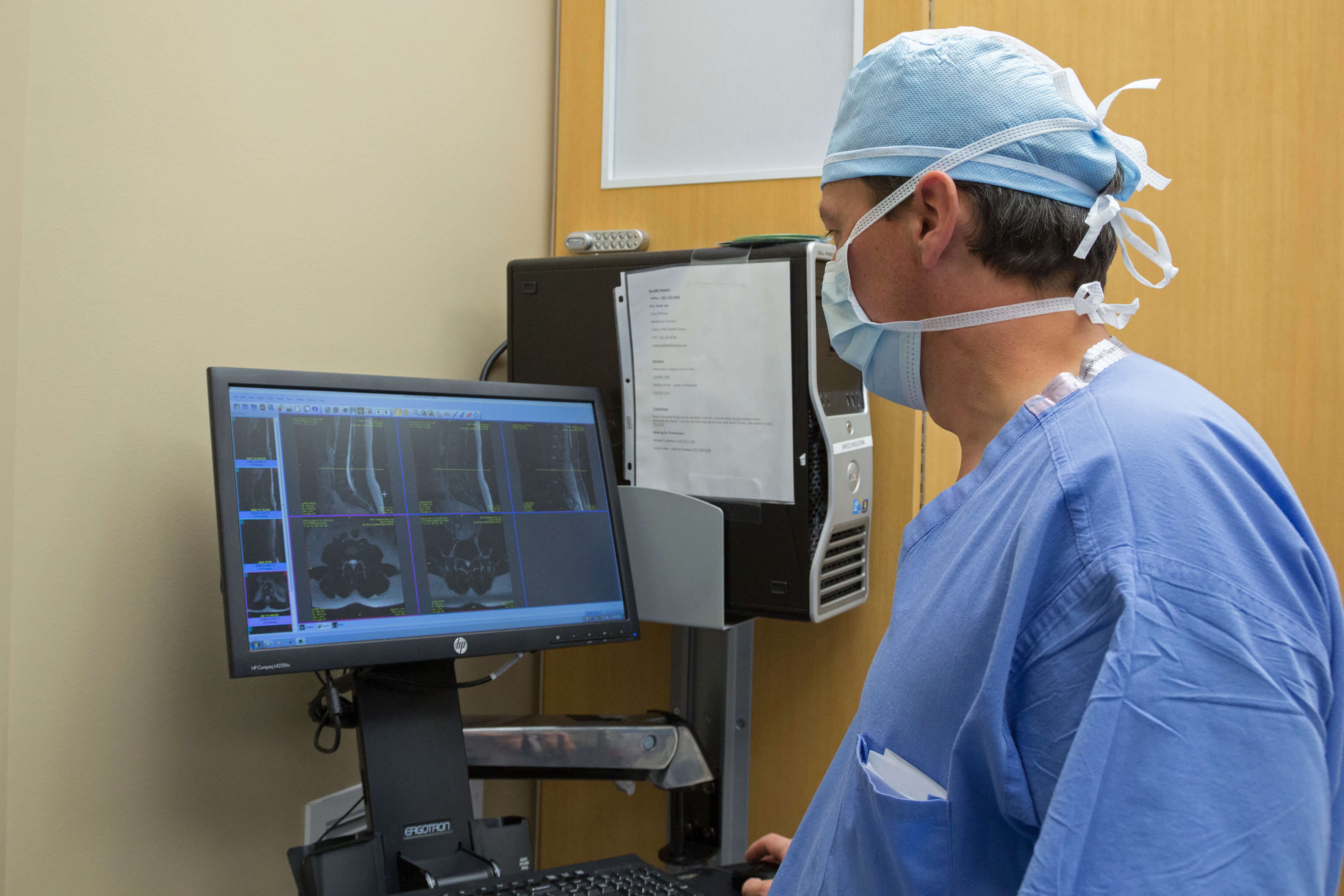
More than the diagnosis of stenosis,
the patient's current condition matters most.
Even with the same diagnosis of spinal stenosis, the following can differ from patient to patient.
- 01Where the nerve is compressed
- 02Where the pain appears
- 03How far the patient can walk
- 04Leg numbness and sensory changes
- 05Severity of back pain
- 06Impact on daily life
Rather than deciding on a specific treatment first, assessing the patient's current condition is the starting point for designing the direction of treatment.
Before treatment,
we first find out why it hurts.
-
01
Symptoms and Walking Ability
We assess the current location of pain, numbness, walking distance, and how symptoms change with posture.
-
02
Physical Examination
Our physicians evaluate the pattern of pain, sensation, and neurological status.
-
03
Imaging
When needed, imaging studies are used to assess the condition of the spinal canal and whether nerves are compressed.
-
04
Overall Health
We also consider the patient's overall condition, including age, existing conditions, previous treatments, and level of daily activity.
Not just treatment that reduces pain,
but a treatment direction designed for your current condition.
-
01
Pain and Condition Assessment
We assess the patient's pain level and symptoms,
then review conservative treatment and specialized procedures suited to the current condition. -
02
Nerve and Spine Management
Our physicians evaluate the condition of the spine and surrounding nerves and determine the necessary treatment direction.
-
03
Functional Recovery
We build a treatment plan that takes everyday function such as walking and movement into account.
-
04
Follow-Up
After treatment, we monitor changes in symptoms and daily function and review the next steps of treatment.
The order and methods of treatment may vary depending on the patient's condition.
Long experience in spine and pain care
makes the difference in treatment direction.
Assessing spine and pain patients and designing their treatment direction is grounded in years of clinical experience.
- Seoul National University College of Medicine
- US Board-certified in Anesthesiology & Pain Medicine
- US Board-certified in Family Medicine
- Former Professor, US University Hospitals
- Former Professor, Pain Management Center, Samsung Medical Center
From diagnosis to post-treatment follow-up,
one continuous process.
- DIAGNOSISAssess current condition
- DESIGNDesign treatment direction
- TREATMENTTreatment based on condition
- FOLLOW-UPMonitor progress
Conservative treatment for chronic pain:
Prolotherapy
Prolotherapy is an injection treatment applied to the tissue around damaged or weakened ligaments and tendons to help relieve pain and restore function. We comprehensively evaluate each patient's symptoms and condition to determine the appropriate treatment direction, including prolotherapy.
At Medicell Plus, treatment is performed by a board-certified specialist with more than 10,000 prolotherapy procedures of experience.
Beyond conventional spine and pain treatment
Why consider cell regeneration
alongside spinal stenosis treatment?
See how Medicell Plus considers stem cells
in the treatment of spinal stenosis.